



Music-based art therapy (or simply music therapy) is a form of psychotherapy that uses music and musical elements (such as sound, rhythm, melody, and harmony) to improve a person’s physical, emotional, cognitive, and social well-being. It can include active methods (making music) and receptive methods (listening), aimed at self-expression, reducing stress, managing emotions, and improving mood.
Music therapy is often used in healthcare facilities, schools, and rehabilitation centers, and it can be helpful for people with a range of conditions, including anxiety disorders, depression, chronic pain, and neurodegenerative diseases.
History
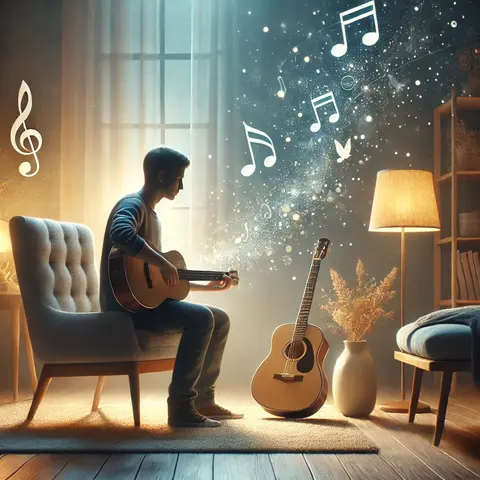 The history of music therapy has deep roots and goes back to ancient civilizations, where music was used for healing and spiritual practices. But in the modern sense, as a systematic and scientifically grounded method, music therapy began to develop in the first half of the 20th century.
Ancient roots: In antiquity, for example in Ancient Greece, philosophers such as Pythagoras, Plato, and Aristotle considered music an important means of maintaining harmony between the mind and body. Music was used to relieve pain and treat various illnesses. In other cultures, including Indian, Egyptian, and Chinese traditions, music also played an important role in healing rituals.
World War I: The beginning of the systematic use of music therapy is associated with the period after World War I. Musicians played for veterans in hospitals to help them cope with psychological trauma and physical injuries. Doctors noticed that music had a positive effect on patients’ emotional state, improved their well-being, and accelerated recovery.
Research in the 1940s: The first scientific studies of music therapy as a clinical method began to be conducted in the United States. In 1944, the first music therapy training course was established at the University of Michigan, an important milestone in the development of the profession.
Founders of music therapy:
- Eva Westlake and Margaret Anderson: These women worked as music therapists at a veterans’ hospital in Kansas after World War II. They systematized approaches to using music in the treatment of psychological and physical trauma.
- Paul Nordoff and Clive Robbins: This musician and psychologist developed a unique approach to music therapy based on improvisation and an individualized approach. Their method, "Nordoff-Robbins Music Therapy," became very popular in the 1960s and is still widely used in work with children with developmental disorders.
Creation of professional organizations: In 1950, the "National Association for Music Therapy" (NAMT) was founded in the United States to standardize the field and accredit training programs. Later, in 1998, it merged with the "American Music Therapy Association" (AMTA), which contributed to the development of music therapy as an established clinical discipline.
Thus, music therapy gradually evolved from ancient rituals into a modern scientific approach, and its development is associated with many doctors, musicians, and researchers who actively advanced the field during the 20th century.
What It Is
Music-based art therapy includes different techniques that can be adapted to the client’s needs. The main approaches include:
Active music-making: Clients can participate in creating music using instruments, their voice, or other means. This may involve playing instruments, composing melodies, or improvising. Active music-making helps express emotions that are difficult to convey in words and can contribute to the development of self-control and self-confidence.
Receptive therapy: In this approach, the client listens to music selected by the therapist according to their condition and needs. Music can be used for relaxation, visualization, or evoking certain feelings. The therapist may invite the client to describe their thoughts and emotions while listening.
Song therapy: This method includes creating songs, writing lyrics, or modifying existing songs. Lyrics can be used to express the client’s thoughts, fears, or hopes. This can be especially helpful for people who find it difficult to put their feelings into words.
Musical games and rhythm: Exercises involving rhythm and rhythmic games are used to help improve coordination, attention, and motor skills. Rhythmic exercises can also promote relaxation and reduce stress.
Visualization and music: Visualization accompanied by music is used to help the client reach a state of relaxation or connect with their inner experiences. Clients are invited to imagine images evoked by the music and then discuss them with the therapist.
Music therapy is always carried out in cooperation with a certified therapist, who helps select the most appropriate method while taking the client’s personal goals and condition into account.
How It Is Conducted
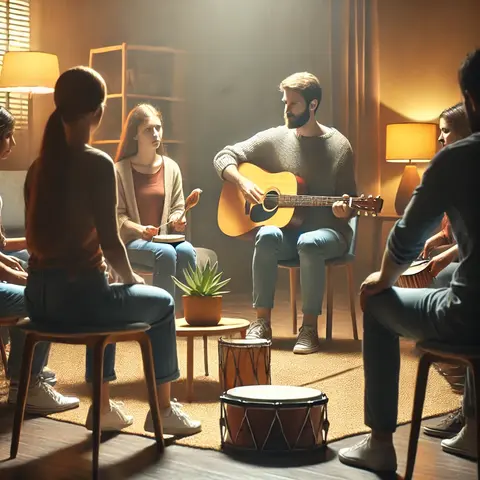 Selecting melodies in music-based art therapy is an important and individualized process that depends on the needs and goals of the particular client. Therapists consider several factors when choosing music:
The client’s emotional state: If a person feels anxious or stressed, the therapist may choose calm, slow music to promote relaxation. For those experiencing apathy or low mood, by contrast, more energetic melodies may be suitable, stimulating activity and lifting the mood.
The client’s preferences: It is very important to take a person’s musical tastes into account so that the music is meaningful and pleasant for them. Listening to favorite music can evoke positive associations and emotions, contributing to a better therapeutic effect.
Associations and personal memories: Music connected with particular memories or life events can be used to discuss those memories and work with the emotions they evoke. For example, a song that recalls a happy moment can be used to improve mood.
Goal of therapy: The choice of music depends on the specific tasks of therapy. For example, compositions with a slow tempo and minimal dynamic changes are more often used to achieve relaxation, while more rhythmic and dynamic tracks may be used to mobilize a person’s resources.
Characteristics of the music:
- Tempo: Slow melodies (60–80 beats per minute) help with relaxation, while faster ones (100+ beats per minute) are more activating.
- Key: Major keys are usually associated with joyful and positive emotions, while minor keys can evoke sadness or melancholy.
- Dynamics and volume: Smooth changes in volume and dynamics can promote deeper relaxation, whereas abrupt changes may cause anxiety or tension.
A music therapist often begins with neutral compositions and, based on the client’s response, gradually selects music that more closely matches their condition and needs.
Is It Helpful?
There are many examples of the successful use of music-based art therapy that demonstrate its effectiveness in various areas of medicine and psychotherapy. Here are several examples:
Treatment of depression and anxiety disorders: Studies have shown that music therapy can help reduce depression and anxiety in patients. For example, in work with people suffering from clinical depression, music therapy has been used to improve mood, increase motivation, and reduce feelings of isolation. Participants often reported that music helped them express feelings that were difficult to describe in words.
Support in the treatment of dementia and Alzheimer’s disease: Music therapy is successfully used to improve cognitive function and quality of life in people with dementia. Research shows that listening to familiar melodies can activate memories, improve orientation to reality, and reduce anxiety and aggression. It can also help create a stronger emotional connection between the patient and their loved ones.
Rehabilitation after stroke: Music therapy is actively used in the rehabilitation of patients after stroke to restore motor and speech functions. For example, rhythmic stimulation can help restore gait and movement, while singing can improve speech. In some cases, patients who were unable to speak began to pronounce words while singing melodies.
Treatment of children with autism: Music therapy helps children with autism spectrum disorders develop communication and social skills. It is used to improve eye contact, encourage verbal communication, and develop the ability to express themselves. Musical exercises can help reduce stress and improve concentration.
Pain relief and support for chronic pain: A number of studies have noted that listening to music can reduce pain levels in patients with chronic conditions such as fibromyalgia or arthritis. Music distracts attention from pain and promotes the release of endorphins, helping improve overall well-being.
Support for cancer patients: Music therapy helps patients undergoing cancer treatment cope with pain, anxiety, and depression and can improve their overall emotional state. Patients participating in music therapy sessions have shown lower stress levels and improved sleep quality.
These examples demonstrate that music-based art therapy can be an effective and versatile tool in various medical and psychological fields, contributing to improvements in patients’ physical and emotional well-being.
Real-Life Examples
Music therapy has gained recognition among well-known people and organizations that have used it to improve physical and mental health:
Olivia Newton-John: The Australian singer and actress, known for her roles in musicals, actively used music therapy while dealing with cancer. She openly shared her experience of using music as a way to relieve stress and improve her mood during treatment.
Paul McCartney: The legendary musician and member of The Beatles has also acknowledged the powerful therapeutic effect of music. He supported initiatives promoting the use of music therapy in hospitals and rehabilitation centers, recognizing its importance in the healing process.
James Levine (conductor and pianist): During his recovery from illness, he actively used music therapy to strengthen his cognitive functions and improve his overall health.
The "American Music Therapy Association" (AMTA): One of the world’s largest professional associations in the field of music therapy. AMTA is actively involved in research, education, and the promotion of music therapy in healthcare facilities, schools, and rehabilitation centers. Its work is aimed at developing the field and expanding access to the therapeutic use of music.
Mount Sinai Hospital in New York: This medical institution has a dedicated music therapy program that uses music sessions to support patients with cancer, injuries, and mental health disorders. Music therapy is used as part of a holistic approach to treatment.
Mayo Clinic: This world-renowned clinic actively uses music therapy in work with patients suffering from chronic pain, depression, and anxiety disorders, as well as to support rehabilitation after surgery.
The Nordoff-Robbins project: Founded by musicians and therapists Paul Nordoff and Clive Robbins, this charitable organization is one of the best known in the world. It uses music to provide therapy for people with physical and intellectual disabilities, helping them develop communication skills and emotional well-being.
These examples show that music therapy is recognized and used at a high level, highlighting its effectiveness and demand.