



There are several areas of psychology and psychotherapy in which specialists work with animals. Here are some of them:
Animal-Assisted Therapy: This is a method in which animals, usually dogs or cats, are used to help people cope with psychological difficulties. Animals can help reduce stress, improve mood, and even support treatment of conditions such as anxiety and depression.
Equine-Assisted Therapy: This approach involves working with horses and is often used with children and adults who have difficulties with self-esteem, social skills, or emotional problems.
Work with therapeutic animals: Some psychologists may use other animals, such as guinea pigs, rabbits, or even reptiles, to create a more comfortable and safe atmosphere for clients.
Florotherapy (Therapy with animals in nature): This is an approach that involves interaction with animals in a natural environment, which may help improve general well-being and mental health.
If you are interested in specific specialists, it is best to contact clinics that specialize in animal-assisted therapy or look for professionals with appropriate qualifications and experience working with animals.
Therapy with Cats
 Therapy with cats, known as cat-assisted therapy or feline-assisted therapy, is a form of animal-assisted therapy in which cats are used as therapeutic animals to support people's emotional and mental health. Here are some aspects of this type of therapy in more detail:
Benefits of therapy with cats
Reducing stress and anxiety: Research shows that interacting with cats may help lower cortisol levels, the stress hormone, and increase serotonin levels, which can improve mood and reduce anxiety.
Emotional support: Cats can provide a sense of comfort and safety, which may be especially useful for people experiencing depression or loneliness.
Social interaction: Therapy with cats may help improve social skills, especially in children or people with autism, by helping them learn to interact with animals and other people.
Physical activity: Caring for cats, playing with them, and other forms of interaction may encourage physical activity and greater activity in general.
How therapy with cats is conducted
Therapeutic sessions may take place in clinics, homes, schools, or even animal shelters. They may be conducted in groups or individually. During sessions, clients may pet cats, play with them, care for them, or simply stay nearby. These activities help establish a connection between the person and the animal. The therapist guides the sessions, helps clients interact with the cats, and discusses the emotions and reactions that arise during the interaction.
Who may benefit from therapy with cats
- People with depression or anxiety disorders
- Children with autism or other developmental disorders
- People who have experienced trauma or loss
- Older adults experiencing loneliness or social isolation
Important aspects
Selecting cats: Not all cats are suitable for therapeutic work. Calm, friendly, and sociable animals that respond well to people are usually chosen.
Certification: Many organizations offer training and certification for therapy animals and their handlers in order to support safety and effectiveness.
Therapy with cats can be a powerful tool for helping people cope with emotional and psychological difficulties by creating a unique connection between a person and an animal.
Therapy with Dogs
 Therapy with dogs, or dog-assisted therapy, is a form of psychotherapy in which dogs are used as therapeutic animals to help people with various emotional and psychological difficulties. Because of their natural tendency to form bonds with people and respond to them, dogs can become an important tool in supporting emotional recovery. This type of therapy is similar in many ways to therapy with cats, but there are some differences.
Benefits of therapy with dogs
Reducing stress and anxiety: One of the best-known effects of therapy with dogs is stress reduction. Research shows that even the presence of a dog in the room may lower cortisol levels and increase serotonin levels, which can improve mood and reduce anxiety.
Emotional support: Dogs can provide ongoing emotional support to people experiencing depression, anxiety disorders, post-traumatic stress disorder (PTSD), and other emotional difficulties. They can respond to changes in a person's mood and behavior in ways that may feel supportive and reassuring.
Strengthening social connection: Dogs generally enjoy interacting with people. In therapy, they may help patients experiencing social isolation or communication difficulties develop social skills and confidence.
Increasing activity levels: Dogs require care, walks, and activity. This can be useful for people experiencing depression or social isolation, as regular walks and active interaction with a dog can support both physical and emotional well-being.
Developing responsibility and care: Looking after a dog, teaching it basic commands, and caring for it can help develop a sense of responsibility and concern for others. This can be especially important for children, adolescents, and people with emotional difficulties.
How therapy with dogs is conducted
Therapeutic sessions may be individual or group-based. During individual sessions, the patient can interact with the dog one-on-one, allowing more focused work with personal experiences. Group sessions may involve interaction with dogs in a group, which can support the development of social skills.
During a session, the patient may perform various activities with the dog — playing, teaching commands, training, grooming, or walking. It is important that these activities are safe and comfortable for both the person and the animal.
During therapy, the patient may be involved in caring for the animal — feeding, grooming, and walking it. These activities can help create an atmosphere of trust and care, supporting emotional well-being.
The therapist guides the session, helps the patient recognize and process emotions and experiences that arise while interacting with the dog, and may observe how the patient responds to the dog and use this information in further therapeutic work.
Types of therapy with dogs
Therapy involving guide and assistance dogs: This is a form of support in which dogs help people with disabilities, for example those with visual or hearing impairments, adapt to daily life. Such dogs are trained to perform tasks such as guiding their owner, retrieving objects, or helping them cross streets.
Therapy with dogs for people with PTSD: In this form of therapy, dogs are used to help people who have experienced trauma or have post-traumatic stress disorder. Such dogs may help patients cope with anxiety, nightmares, and aggression.
Therapy with dogs for children and adolescents: Therapy with dogs can be especially useful for children with emotional or behavioral difficulties. Dogs can help children feel safe and supported, while encouraging confidence and socialization.
Social therapy with dogs: In this form of therapy, dogs are used to improve social skills in people with autism, social phobia, or adaptation difficulties. Dogs can act as mediators in developing trust and communication.
Applications of therapy with dogs
Psychological disorders: Therapy with dogs is often used to support people with anxiety disorders, depression, PTSD, social phobias, depression in older adults, as well as people who have experienced loss or trauma.
Social isolation: Programs involving dogs may be useful for people experiencing loneliness and for those who have difficulties with social adaptation.
Children with autism and developmental disorders: For children with autism and other developmental disorders, interaction with dogs may be especially useful because it can help develop empathy, social skills, and communication abilities.
Older adults: Dogs can become an important part of older people's lives, helping with loneliness and depression, encouraging physical activity, and stimulating cognitive functions.
Important aspects
Selecting dogs: For therapeutic work, it is important to choose dogs with a suitable temperament. They should be friendly, calm, trainable, and non-aggressive. Specially trained therapy dogs are often used in such settings.
Training therapists: Therapists who work with dogs should have appropriate qualifications in psychotherapy and animal-assisted therapy. They should be trained not only to work with patients but also to understand the specifics of interacting with animals.
Safety: Appropriate safety measures are important for protecting both the client and the animal. Before therapy begins, the condition and suitability of both dog and patient should be assessed to reduce the risk of stress or injury.
Therapy with dogs can be a powerful and effective tool for helping people with various emotional and psychological difficulties. Because of their friendly nature and ability to respond to human emotions, dogs can have a meaningful effect on emotional well-being and help rebuild trust in the surrounding world.
Equine-Assisted Psychotherapy
 Equine-Assisted Therapy is a form of therapy in which horses are used to help people cope with various emotional and psychological difficulties. This approach combines psychotherapeutic methods with physical interaction with horses, supporting personal growth and psychological well-being.
Main approaches in equine therapy
Equine-Assisted Psychotherapy (EAP) for trauma: In this approach, therapists and trainers use horses as a tool for working with trauma and emotional disorders. The main focus is on interaction between the person and the horse, which can help reveal emotions, recognize problems, and develop self-regulation skills.
Working with horses to improve emotional well-being (Equine-Assisted Learning, EAL): In this form of work, horses help clients develop personal and social skills such as confidence, self-esteem, communication, and teamwork. This approach is focused more on learning and development than on treating mental disorders.
Benefits of equine therapy
Emotional healing: Horses can have a profound impact on people who have experienced trauma, including post-traumatic stress disorder (PTSD), depression, anxiety, as well as difficulties related to abuse or loss. Interaction with a horse may help the patient learn to trust, relax, and open up.
Developing confidence and self-control: Working with horses requires concentration, decisiveness, and patience. A horse responds to a person's emotional state, and the person's behavior directly affects the interaction. This can teach people to regulate their emotions and act more consciously.
Improving social adaptation: Equine therapy may be useful for people with difficulties in social skills, for example children with autism or adolescents who have communication problems. By working with a horse, they learn to interact with a living being that requires attention, care, and cooperation.
Physical activity: Horses are large and strong animals, and working with them may involve physical activities such as riding, grooming, or leading a horse. This can help improve physical condition and strengthen the body.
Strengthening connection with nature: Many people feel safer and more relaxed when interacting with animals and spending time outdoors. This may be useful for restoring emotional balance and reducing stress.
How equine therapy is conducted
Equine therapy may be individual or group-based. Sessions can take place at riding clubs, specialized therapeutic farms, or specially prepared areas where patients can interact with horses.
During sessions, the patient learns basic ways of working with a horse — how to lead it properly, care for it, and respond to its behavior. This interaction can help a person develop responsibility and learn to cooperate.
The therapist or trainer guides the process and helps the client become aware of their feelings, thoughts, and behavior while interacting with the horse. This makes it possible not only to observe the horse's behavior but also to understand the person's own reactions.
Indications for equine therapy
- Psychological difficulties: Depression, anxiety disorders, post-traumatic stress disorder, substance dependence.
- Childhood and adolescent difficulties: Autism, ADHD, low self-esteem, and social adaptation problems.
- Physical and psychological recovery after injuries or illnesses.
- Social isolation and communication difficulties.
- Difficulties with leadership and teamwork.
Important aspects
Selecting horses: Horses used in therapy should be calm, patient, and well trained. They should respond well to people and be able to work safely in potentially stressful situations.
Safety: When working with horses, it is important to consider the safety of both clients and the animals. Training and preparation for working with horses play an important role in this process.
Therapist qualifications: Specialists working in equine therapy should have qualifications in psychotherapy or psychology as well as experience working with horses.
Equine therapy combines elements of psychotherapy and work with animals, creating unique opportunities for recovery and personal growth.
Psychotherapy with Small Animals
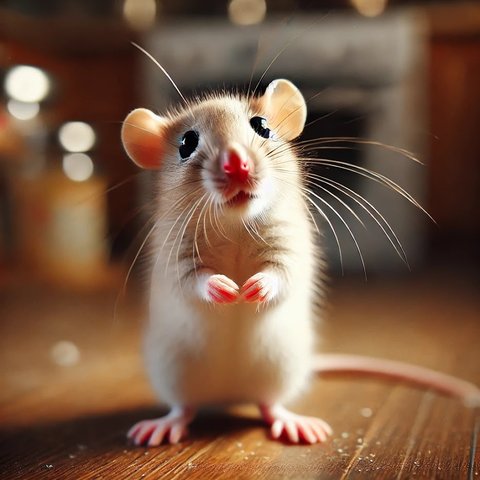 Psychotherapy involving various small animals, such as guinea pigs, rabbits, capybaras, rats, and other rodents, is part of the broader field of animal-assisted therapy. These animals can be used to help people with different emotional and psychological difficulties because interaction with them may have a calming and supportive effect.
Benefits of therapy with rodents
Reducing stress and anxiety: Pets such as guinea pigs and rats may help people cope with anxiety and stress. Contact with animals can promote the release of endorphins, which may improve mood and reduce stress.
Developing empathy and responsibility: Caring for animals such as rabbits or guinea pigs can help develop empathy, responsibility, and concern for others. This may be especially useful for children, people with autism spectrum disorders, or those who experience social difficulties.
Reducing depression and improving mood: Research suggests that caring for animals and simply spending time with them may help reduce depressive symptoms and improve overall mood.
Improving social skills: Interaction with animals may help improve communication skills, especially in people with autism or social phobias. Animals such as guinea pigs or rats can be patient and responsive toward their handlers.
Learning emotional regulation: Working with an animal can help patients learn to regulate their emotions and reactions. The animal's response to human behavior may help reveal links between actions and outcomes.
How therapy with guinea pigs, rabbits, capybaras, and other rodents is conducted
The therapist creates a safe and comfortable environment where the client can interact with an animal. For example, a person may hold a guinea pig or allow it to move around a specially prepared area. It is important that the animal remain calm and not experience stress.
Play with the animal can be an important part of therapy, helping reduce tension and improve mood. Therapists may sometimes use games that teach the patient how to interact with the animal, for example rewarding the animal for simple tasks or using toys.
In some cases, patients may be asked to carry out basic animal-care tasks such as feeding, cleaning the enclosure, or grooming. This can help develop responsibility and improve self-esteem.
While working with animals, the patient may observe the rodent's behavior, which can help them become more aware of their own feelings and emotional reactions. For example, whether a guinea pig becomes frightened or relaxed may be used as a prompt for discussing the person's emotional state.
In some cases, animal-assisted therapy is conducted in groups, where people can interact not only with animals but also with one another, supporting social skills and trust.
Applications of therapy with rodents in different settings
Therapy with guinea pigs and rabbits may be especially useful for children with anxiety disorders, behavioral difficulties, or depression. These animals can help children learn to care for others, develop empathy, and reduce aggression.
Small animals such as guinea pigs or rats may be useful for children and adults with autism. They can help develop communication skills and reduce aggression and stress.
Older adults experiencing loneliness or depression may benefit from interaction with animals. Rabbits, guinea pigs, or capybaras can provide comfort and enjoyment and can also encourage physical activity through play and care.
Rodents can be used in work with patients experiencing depression, stress, or PTSD, as their presence may help reduce tension and improve emotional well-being.
Important aspects
Selecting animals: Animals involved in therapy should be friendly, calm, and accustomed to interacting with people. This is an important factor in creating a comfortable and safe environment for the patient.
Training therapists: Specialists working with animals should have appropriate qualifications in psychotherapy and animal-assisted therapy. They should also know how to ensure safety for both clients and animals.
Monitoring animal welfare: It is important to monitor the condition of the animals themselves. They should be in good physical and emotional health and should not experience excessive stress when interacting with people.
Hygiene: When working with rodents, appropriate hygiene measures are important to reduce the risk of allergies and infections for both clients and animals.
Which animals can be used in therapy
Guinea pigs: Very popular in therapy because of their generally calm and friendly nature.
Rabbits: Can be used to improve mood and reduce stress.
Rats: Despite their reputation, rats can be very friendly and form strong bonds with people.
Capybaras: These large and peaceful animals may also be part of therapy, especially in group sessions, because of their calm temperament.
Hamsters: Used less often, but they may also have a positive effect on emotional well-being.
Animal-assisted therapy with rodents is a gentle and unusual way to help people cope with various emotional and psychological difficulties through supportive interaction with animals.
Florotherapy
Florotherapy, or therapy with animals in nature, is an approach within animal-assisted therapy that uses animals to support a person's emotional well-being while emphasizing interaction in a natural environment. Unlike traditional animal-assisted therapy, where interaction takes place indoors, for example in clinics or therapeutic centers, florotherapy involves interaction with animals in open natural spaces, which is intended to enhance the therapeutic effect through contact with nature.
Main aspects of florotherapy
An important feature of florotherapy is that animals take part in the therapeutic process outdoors, in forests, parks, farms, or other natural settings. Nature itself can have a calming effect, and the presence of animals may strengthen this effect by creating conditions for relaxation, recovery, and emotional healing.
Different types of animals may be involved in florotherapy, including horses, goats, sheep, capybaras, and others. A natural environment allows animals to behave more naturally, and interaction can take place in a freer and more relaxed setting. People may observe their behavior, care for them, or work with them, for example through horse riding or grooming.
Interaction with nature and animals can help improve sensory awareness. Patients may practice paying attention to their feelings and exploring how nature and animals influence their perception and mood.
Contact with animals and time spent in natural surroundings may help reduce stress and improve emotional well-being. Nature itself can have a calming effect, reducing levels of anxiety and depression, while interaction with animals may strengthen this effect.
Types of florotherapy
Equine therapy in nature: Horses and other animals may be used in therapy conducted outdoors. Interaction with horses in a natural environment may be especially useful for people with PTSD, depression, and anxiety disorders, because horses respond to human emotional states and can help people become more aware of their own feelings.
Therapy with goats and sheep: These animals are often used in rural settings, where patients can care for them and observe their calm behavior. Spending time in such an environment may reduce stress, while interaction with animals can develop a sense of care and empathy.
Working with wild animals: In some cases, florotherapy may involve observing wild animals in their natural environment, such as birds, deer, elk, or other wildlife. This may help a person feel more connected with nature and build resilience to stress.
Therapy with small animals in nature: Some forms of therapy may involve smaller animals such as rabbits, guinea pigs, or even reptiles kept in naturalistic settings. Interaction with these animals may help improve mood and reduce anxiety.
Benefits of florotherapy
Reducing stress and anxiety: Like other forms of animal-assisted therapy, florotherapy may help reduce stress and anxiety. Nature and animals create a relaxing atmosphere that may help reduce symptoms of depression and anxiety disorders.
Emotional healing: Interaction with animals in a natural environment may help patients cope with emotional trauma, including loss, depression, or post-traumatic stress disorder. Nature and animals can create a supportive atmosphere that encourages recovery.
Strengthening connection with nature: People experiencing isolation or depression often lose a sense of connection with the surrounding world. Interaction with nature and animals may help restore this connection and improve emotional and physical well-being.
Physical and psychological recovery: Spending time outdoors and engaging in physical activities such as caring for animals or walking in nature can support physical health and help restore emotional balance.
Social adaptation: Working with animals in a group may help improve social skills and reduce social isolation. This may be especially useful for people with social phobias or autism.
How florotherapy is conducted
Therapy may be conducted individually or in groups. Sessions can include caring for animals, walks in nature, observing animals, and discussing emotions and experiences.
Florotherapy is often conducted in rural or natural settings such as farms, forests, or parks, where patients can interact freely with animals and nature.
An important part of florotherapy is the support of a qualified therapist who helps the patient recognize and process emotions while observing animal behavior and the natural environment.
During therapy, the patient may care for animals, feed them, groom them, and walk with them. This can help develop responsibility, empathy, and a sense of care.
Important aspects of florotherapy
Safety: It is important that the animals be safe and suitable for working with people. Not all animal species are appropriate for florotherapy, so they should be selected with the patient's emotional and psychological condition in mind.
Therapist certification: Specialists working with animals in natural settings should be appropriately qualified and experienced in psychotherapy and animal-assisted therapy.
Animal care: Animals involved in therapy should receive proper care and should not experience excessive stress. They need to be well prepared for interaction with people in order to support safe and effective work.
Florotherapy can be a powerful tool for supporting emotional health, and the use of animals in natural settings may help people reconnect with nature, reduce stress, and improve quality of life.