



Main Colors
 Color psychology is a field that studies the influence of color on human perception, emotions, and behavior. Colors can evoke different associations and emotional responses that vary depending on cultural context and personal experience. Here are several key points:
Main colors and their meanings:
- Red: Associated with energy, passion, danger, and intense emotions. It may increase arousal.
- Blue: Symbolizes calmness, reliability, and trust. It is often used in offices to create a relaxing atmosphere.
- Green: Represents nature, harmony, and growth. It is considered a calming color.
- Yellow: The color of the sun, associated with joy, optimism, and energy. However, too much yellow may cause anxiety.
- Purple: Often associated with luxury, creativity, and spirituality. It may evoke a sense of mystery.
- Black: Symbolizes elegance and strength, but may also be associated with sadness and mourning.
- White: Represents purity, simplicity, and innocence. It is often used to create a sense of space.
Cultural differences: The meanings of colors can vary considerably between cultures. For example, white is associated with purity and weddings in some countries, while in others it is associated with mourning.
Use in marketing: Color psychology is actively used in advertising and branding. For example, red may encourage impulse purchases, while blue can create a sense of reliability and calm, which is important for banks and financial services.
Color and emotions: Colors can influence our mood. For example, bright and saturated colors may lift the mood, while dull and cool shades may evoke feelings of sadness.
Color in design: In interiors and design, color perception plays a key role in creating an atmosphere. For example, warm colors can make a space feel cozier, while cool colors can create a sense of spaciousness and freshness.
Color psychology is a powerful tool that can be used to improve quality of life, increase productivity, and create a harmonious atmosphere.
Use of Color in Psychotherapy and Psychology
In psychotherapy and psychology, color is used as a tool for influencing clients' emotional state and behavior. Here are some practical ways color can be used:
Color therapy:
- Art therapy: Using drawing and painting for self-expression. The colors chosen by a client may reflect their emotions and inner state. The therapist can help the client explore these choices and their meanings.
- Light therapy: Using light of a particular spectrum (for example, blue or green) to create a calming atmosphere, which may help in treating depression and anxiety.
Creating a space:
- Interior color: In psychotherapy offices, color palettes are often used to create a comfortable and safe atmosphere. For example, pastel and warm colors may reduce anxiety, while bright colors may stimulate activity.
- Choosing colors for objects: Using particular colors in interior elements (paintings, textiles) may affect the emotional tone of sessions.
Color association method:
Clients can choose a color they associate with particular emotions or states. This may help reveal hidden feelings and problems and also serve as a starting point for discussion.
Color cards:
Using color cards to assess emotional state. Clients can choose a color that they believe reflects their current feelings, which may help the therapist better understand their inner world.
Meditation and visualization:
Incorporating color visualization into meditation practices. For example, a client may imagine being surrounded by a particular color that evokes calm or joy, promoting relaxation and stress reduction.
Color in breathing exercises:
Using color together with breathing exercises, where the client visualizes inhaling and exhaling a particular color, which may help regulate emotions and calm down.
Analysis of color choice:
Discussing which colors a client prefers or avoids may reveal inner conflicts and emotional blocks.
Group therapy:
Using color associations in group therapy, where participants can share experiences connected with particular colors, promoting mutual understanding and support.
These techniques allow psychologists and therapists to use color as a tool for improving interaction with clients, creating a safe environment, and identifying deep emotional problems.
History of Modern Approaches to Color Psychology
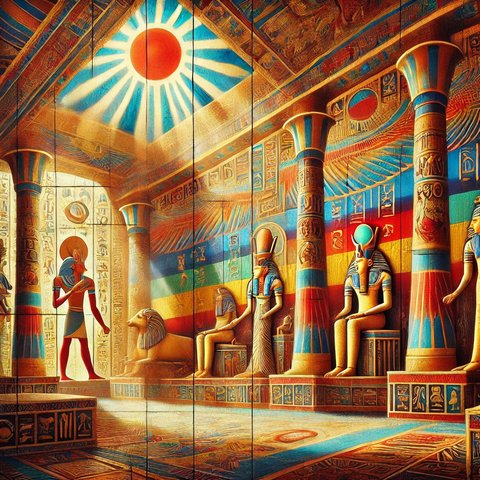 The history of modern approaches to color psychology spans many disciplines, including art, science, marketing, and psychology. Here are the main stages of development:
Ancient civilizations: Colors have always played an important role in people's lives. Ancient Egyptians, Greeks, and Romans used colors in art and architecture, giving them symbolic meanings. For example, red was associated with vitality, while green was associated with fertility.
Art and philosophy: In the Middle Ages and the Renaissance, philosophers and artists began to explore the relationship between colors and emotions. Leonardo da Vinci described the influence of color on perception in his treatise "A Treatise on Painting."
Scientific research:
- In the 18th century, Isaac Newton conducted experiments with prisms and identified the spectrum of visible light. This became a foundation for further study of color as a physical phenomenon.
- In the 19th century, the color wheel was developed and became a tool for understanding relationships between colors.
Psychology and perception:
- In the early 20th century, psychologists began studying how colors influence emotions and behavior. One of the first was the German psychologist Gustav Fechner, who conducted experiments on color perception and its influence on mood.
- In the 1940s, K. B. Hempel developed a theory of how colors can evoke particular associations and emotional responses.
Modern research: In recent decades, color psychology has become an important part of neuropsychology and marketing. Research examines how colors may influence purchasing behavior, brand perception, and emotional responses.
Use in design: In modern interior design, graphic design, and advertising, psychological aspects of color are used to create a desired atmosphere and influence an audience. For example, the choice of color in product packaging can significantly influence purchasing decisions.
Cross-cultural research: Modern approaches also take cultural differences in color perception into account. Researchers study how different cultures associate colors with particular emotions and meanings.
Thus, modern approaches to color psychology have developed over centuries, combining scientific, artistic, and cultural perspectives in order to understand how colors influence our perception and behavior.
Notable Figures Who Used Color in Their Work
Several well-known psychologists and psychotherapists have used colors in their work while studying their influence on emotions and behavior. Here are some of them:
Ludwig Binswanger:
A Swiss psychiatrist and one of the founders of existential psychotherapy. He used color associations in his approach to understanding patients' individual experiences, believing that colors could reflect their emotional state.
Mark S. Rosenberg:
A psychologist known for his work in the field of nonviolent communication. He used color cards and associations to help people express their feelings and needs more effectively.
Kalerii B. Linder:
A therapist and researcher who developed a method of color therapy that uses color as a way to explore clients' emotional state. She conducted experiments with colors in the context of art therapy.
Van Gogh and his influence on psychotherapy:
Although Van Gogh was not a psychologist, his use of color in painting became a source of inspiration for many psychotherapists. Research suggests that his bright and expressive colors may influence emotional state, and this knowledge is used in art therapy.
Frida Kahlo:
A Mexican artist whose works are full of rich colors and emotional depth. Although she was not a psychotherapist, her art has been used in psychotherapeutic contexts to explore inner states and experiences.
John D. Bennett:
A psychologist and researcher who studied the influence of color on emotions and behavior. He used color tests to identify preferences and emotional associations in patients.
Hermann Rorschach:
Creator of the well-known Rorschach test, which is based on the interpretation of inkblots. Although the test itself does not focus on color, analysis of the colors used may provide insight into the subject's emotional state and personality characteristics.
These psychologists and therapists contributed to understanding the influence of color on the psyche by developing methods and approaches that help people better understand their emotions and experiences.