



How It Was
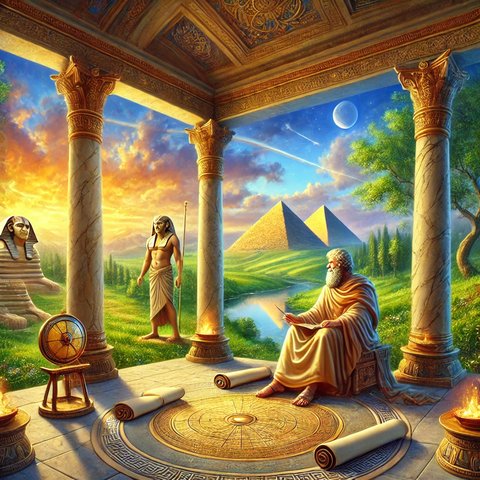 In antiquity and the Middle Ages, there were people who performed some functions similar to those of modern psychologists and psychotherapists, although their understanding of psychology differed greatly from today's. They worked within the knowledge and religious-philosophical ideas of their time. Here are several examples:
- Philosophers and sages – thinkers such as Socrates, Plato, and Aristotle in Ancient Greece explored questions of the soul and consciousness, studying human nature and motivation. They not only developed philosophical ideas but also helped their students and followers by discussing their inner conflicts and personal problems.
- Religious leaders – priests, monks, and spiritual mentors played an important role in supporting people's spiritual and emotional well-being. They helped through confession, guidance, consolation, and prayer. In Buddhism, for example, monks offered methods of meditation and contemplation for achieving inner calm.
- Physicians and healers – Hippocrates, Galen, and their followers in Ancient Rome and the Middle Ages believed that mental health was connected with the balance of bodily "humors" (fluids) and that imbalance caused illnesses, including mental disorders. They tried to correct this through diet, lifestyle, and even bloodletting.
- Mystics and alchemists – many medieval philosophers and mystics, such as Paracelsus and Johann Habsburg, used alchemy and esoteric teachings to explain and treat states of the soul. They believed that personal transformation was similar to the transformation of substances.
- Shamans and folk healers – in indigenous cultures, spiritual leaders and shamans often played the role of "healers of the soul." They performed rituals to help people cope with inner problems and fears. Shamans believed that emotional suffering was often caused by an imbalance with the spiritual world.
Although scientific concepts of psychology did not yet exist, many ancient ideas later influenced the development of modern psychotherapy and psychology.
Philosophers and Sages
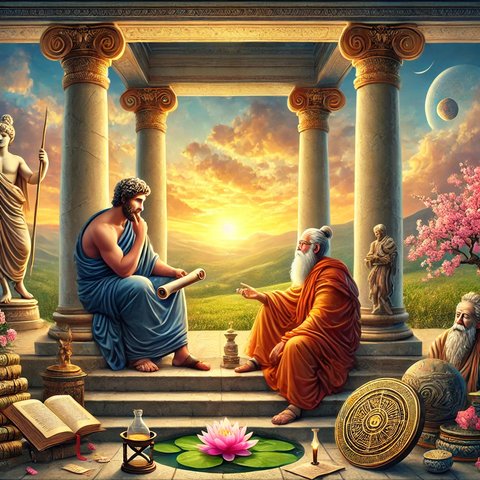 Philosophers and sages of antiquity made a significant contribution to understanding the human psyche and interpersonal relationships, although their approaches and methods differed greatly from modern ones. Ancient Greek, Roman, and Eastern thinkers formulated many ideas that later influenced the development of psychology and the philosophy of mind. Here are the main figures and their contributions:
1. Socrates (469–399 BC)
Socratic dialogue method: Socrates developed a distinctive way of interacting with people through questions and dialogue. He asked questions that encouraged his interlocutors to examine themselves and search for the true reasons behind their actions and thoughts. This method helped people gain a deeper understanding of their feelings, beliefs, and motives. It can be compared with modern methods of psychotherapy, in which a psychologist or psychotherapist helps a patient understand themselves.
The idea of "know yourself": Socrates believed that self-knowledge was the key to inner peace and wisdom. His teaching on self-knowledge became one of the fundamental principles of both psychology and philosophy.
2. Plato (427–347 BC)
Theory of the soul: Plato argued that the human soul consists of three parts — the rational, the spirited, and the desiring — which resembles later theories of "models" of the mind and personality. According to Plato, these aspects of the soul often come into conflict, and harmony can be achieved only through cultivating the rational part of the soul. Plato saw philosophy as a way to bring harmony among these parts, much as psychotherapy seeks to help clients achieve inner balance.
The idea of the ideal: He believed that a person should strive for the ideal in life and behavior and thus "ascend" toward their true "self." These views were reflected in humanistic psychology, where inner potential and self-actualization are major goals.
3. Aristotle (384–322 BC)
The concept of "virtue ethics": Aristotle believed that human happiness is achieved through practicing virtues such as wisdom, courage, and justice. He thought that a person should learn to control emotions and impulses in order to develop these virtues. This approach is similar to methods of cognitive behavioral therapy, where emotional stability is achieved through conscious changes in behavior.
The idea of eudaimonia: Aristotle introduced the concept of eudaimonia — lasting happiness achieved through the development of virtues and self-realization. This approach influenced the philosophy of psychology and positive psychology, where well-being and personal development are emphasized.
4. Stoics (Epictetus, Seneca, Marcus Aurelius)
Control over emotions: Stoicism taught people to manage their emotions and remain calm in the face of difficulties. Epictetus, Seneca, and Marcus Aurelius proposed methods for working with thoughts and emotions that may resemble cognitive behavioral therapy. For example, the Stoics advised replacing negative thoughts with rational ones, which is similar to reframing in cognitive therapy.
Living in harmony with nature and fate: The Stoics argued that one should accept what cannot be changed and focus on what can be controlled. This concept of the "dichotomy of control" is one of the central ideas of both Stoicism and modern psychology, where emotional balance is achieved through acceptance and adaptation to unavoidable circumstances.
5. Confucius (551–479 BC)
Moral self-improvement: Confucius viewed the person as part of a social and moral whole. His ideas about family and social duties emphasized the importance of self-control, care for others, and self-improvement. A central place in his teaching was occupied by the concept of "ren" (humaneness), which encouraged people to be attentive to the feelings of others and strive for harmony. This influenced Eastern approaches to psychology, where interpersonal relationships play a central role.
Ethics of relationships: Confucius argued that a person realizes themselves through harmonious relationships. The influence of his ideas can be seen in family therapy, which considers interactions within the family as a means of harmonizing a person's inner world.
6. Buddha (c. 563–483 BC)
Mindfulness: Buddhism contributed ideas such as mindfulness and meditation, which have become important tools in modern psychotherapy, especially in methods aimed at working with stress and anxiety. The Buddha taught people to manage their thoughts and emotions through mindful attention, which helps reduce suffering.
The Four Noble Truths and the path to liberation: The core of the Buddha's teaching focuses on how to free oneself from suffering by understanding its causes and changing one's attitude toward them. This idea resembles the concept of cognitive restructuring in therapy, where people learn to change their reactions to events and manage their emotional states.
Many of these ancient teachings on self-knowledge, control of emotions, harmony with the surrounding world, and development of moral qualities had a major influence on modern psychological approaches. Although ancient philosophers were not therapists in the modern sense, their ideas contributed to the foundations of approaches such as cognitive behavioral therapy, humanistic psychology, positive psychology, and mindfulness practice.
Thus, philosophers of antiquity sought to understand what makes a person happy and harmonious, and this is reflected in modern methods of psychological counseling and psychotherapy.
Religious Leaders of Antiquity
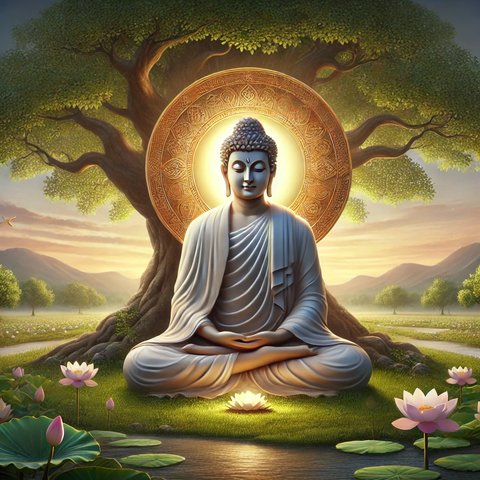 Religious leaders of antiquity and the Middle Ages played an important role in people's lives, supporting them emotionally and spiritually and performing functions similar to those of modern psychologists and psychotherapists. They helped people cope with personal difficulties, make sense of life events, and find spiritual meaning. Here is how they fulfilled this role in different cultures and religious traditions:
1. Jewish rabbis
The institution of rabbis and spiritual guidance: In Judaism, rabbis played an important role as mentors and advisers, helping people understand moral dilemmas and find answers to personal questions. Their guidance was often closely connected with the study of the Torah and Talmudic literature, which addressed everyday life and inner experiences.
Confession and repentance: Although Judaism did not have a tradition of confession in the Christian sense, rabbis and spiritual teachers helped people in the process of repentance and spiritual purification, which can be compared with emotional support. Acknowledging guilt and striving for self-correction were considered important steps toward personal growth and harmony.
2. Christian priests and monks
Confession and pastoral care: In the Christian tradition, beginning in the early Middle Ages, priests often served as spiritual mentors. Confession gave people an opportunity to reveal their sins and doubts and receive forgiveness and consolation. This ritual helped people cope with guilt, anxiety, and stress.
Spiritual mentors: Monks and hermits such as Anthony the Great and John the Baptist also served as mentors to whom people turned for advice. Christian saints wrote works about fighting "demons" — symbolic embodiments of inner fears, passions, and temptations. For example, John Climacus's book "The Ladder" describes spiritual ascent, inner battles, and ways of overcoming spiritual crises, which is analogous to psychotherapeutic methods for working through inner problems.
3. Sufi teachers in Islam
The Sufi path and inner jihad: In Islam, Sufis, as mystics, sought deep inner purity and unity with God. Sufi mentors (sheikhs) taught their students "inner jihad" — the struggle with the ego and passions. This process of self-knowledge and overcoming inner obstacles can be compared with psychotherapeutic practices in which a person works on personal problems and inner conflicts.
The practice of dhikr (repetition of prayers): Sufi rituals of dhikr, involving repetition of sacred words and meditation, were intended to calm the mind and attain harmony. This resembles modern mindfulness and meditation practices that help people cope with anxiety and stress.
4. Buddhist monks
Confession and meditation: In Buddhism, confession was practiced for purification of the mind and release from negative emotions. Monks helped people use meditation as a method of self-exploration and liberation from suffering. Buddhist meditation and self-observation techniques helped people find inner calm and overcome negative emotional states.
The teaching of the "Four Noble Truths": The Buddha taught that suffering is part of life, but its causes can be identified and eliminated. Monks helped their followers understand how to cope with personal difficulties by changing their attitude toward them. This resembles cognitive psychotherapy, where work focuses on recognizing and changing thoughts that cause suffering.
5. Taoist sages and spiritual teachers in China
Taoist techniques of harmony and balance: Taoism, taught by Laozi, focused on achieving inner harmony and balance. Taoists believed that excessive emotions lead to physical and emotional suffering. Meditation and breathing practices were used to restore inner balance, resembling modern methods of relaxation and self-regulation.
The concept of wu wei (non-action): Taoist teachers said that trying to control everything in life leads to stress and inner conflict. The teaching of non-action encouraged people to struggle less with circumstances and rely more on the natural course of events, which echoes ideas of acceptance and tolerance used in psychotherapy and especially relevant in stress-management methods.
6. Hindu gurus and Vedic teachers
Yoga and meditation techniques: Indian gurus taught their students yoga and meditation techniques aimed at harmonizing mind, body, and spirit. These practices were used to manage emotions, strengthen mental well-being, and relieve stress. Today, yoga and meditation are widely used in psychotherapy and psychology as tools for working with stress and anxiety.
The Bhagavad Gita and the concept of dharma: The Bhagavad Gita is an important spiritual text that discusses personal duty (dharma), the search for meaning in life, and overcoming inner conflicts. Gurus helped their students understand how to follow their dharma and find inner peace, which resembles therapeutic work with goal-setting and self-determination.
7. Shamans and spiritual healers
Shamanic rituals and purification of the soul: In indigenous cultures, shamans served as healers of the soul. It was believed that shamans could communicate with spirits and use their abilities to heal emotional suffering. Purification rituals, dances, sounds, and herbs helped people cope with anxiety, fears, and loss.
The practice of integration with nature: Shamans believed that emotional illnesses were often caused by a broken connection with nature and the surrounding world. Restoring harmony with nature was an important part of their healing methods, which in the modern world resembles "ecotherapy" practices that help reduce stress and improve mental well-being through contact with nature.
The spiritual practices and guidance of religious leaders laid the foundations for many modern therapeutic practices, including meditation, mindfulness, spiritual guidance, techniques of self-exploration, and work with emotions. Their methods of support and guidance, based on attention to a person's inner state and spiritual practices, are now used to improve emotional well-being and help people search for meaning in life.
Thus, religious leaders of antiquity played a key role in supporting people's mental and emotional state, offering their own ways of attaining inner harmony and relief from suffering.
Physicians and Healers
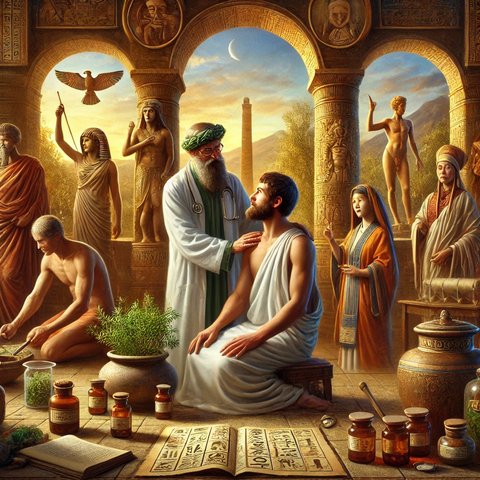 Physicians and healers of antiquity and the Middle Ages dealt not only with physical health but also with the mental state of their patients, although the concept of psychology did not yet exist. They used a holistic approach, viewing body and soul as a single whole, which was reflected in treatments aimed at restoring inner balance. Here is how physicians and healers from different cultures approached these questions:
1. Hippocrates (c. 460–370 BC) and ancient Greek physicians
The theory of humors: Hippocrates, considered the father of medicine, developed the theory of the four humors — blood, phlegm, yellow bile, and black bile — each associated with a particular temperament: sanguine, phlegmatic, choleric, and melancholic. Hippocrates believed that mental health depended on the balance of these humors and that imbalance could lead to mental disorders. Diet, physical exercise, and bodily cleansing were used to correct them, which resembles modern ideas about the influence of lifestyle on mental health.
Methods involving diet and environment: Hippocrates believed that nutrition and environmental conditions directly affected a person's state. Many of his methods involved changes in diet and exposure to natural factors, which distantly resembles modern integrative medicine approaches aimed at harmonizing body and mind through balanced nutrition and a healthy environment.
2. Galen (c. 129–216 AD) and Roman medicine
Expansion of the theory of humors: Galen, a Roman physician, expanded Hippocrates' ideas by adding more detailed classifications to the theory of humors. He believed that mind and body were closely connected and that physical illnesses could affect the mental state. For example, in his view an excess of black bile could cause melancholy and depression, which in many ways resembles modern ideas about psychosomatic relationships.
Diagnosis and mental health: Galen paid attention to patients' emotional state, believing that mental and physical health were interconnected. He used philosophical conversations to help patients cope with emotional difficulties, which can be compared with the beginnings of psychotherapeutic practice.
3. Ibn Sina (Avicenna) (980–1037 AD) and Islamic medicine
Psychosomatic approach: Ibn Sina, the famous Persian physician, developed a medical system in which the health of soul and body were interconnected. In his work "The Canon of Medicine," he wrote about psychosomatic illnesses and emphasized the importance of emotional balance. For example, he described treating melancholy (depression) through a combination of physical therapy, conversations, and musical sessions.
Methods for calming and strengthening the soul: Ibn Sina believed that fear, anger, and anxiety could cause physical illnesses. He recommended relaxation methods, contact with nature, and listening to music to calm the mind and harmonize the psyche. These methods distantly resemble modern practices of therapy through art and contact with nature.
4. Paracelsus (1493–1541) and alchemical medicine
Emotional causes of illness: Paracelsus, a Swiss physician and alchemist, believed that mental and physical illnesses could have emotional causes. He argued that fears, stress, and emotional trauma could become sources of disease. Paracelsus tried to treat not only the body but also a person's "inner fire," meaning the emotional and spiritual components of health, using approaches that anticipated modern methods of psychosomatic medicine.
Magical and alchemical practices: Paracelsus believed that a person was closely connected with natural elements and "astral forces." He used a combination of herbs, minerals, and alchemical rituals to treat emotional suffering. Although mystical, these methods can be considered a prototype of psychosocial therapies that work with symbolism and archetypes.
5. Ayurvedic physicians in India
Balance of doshas and mental health: In Ayurveda, the ancient Indian system of medicine, health is determined by the balance of three doshas — Vata, Pitta, and Kapha — which are combinations of physical and psychological qualities. Imbalance of the doshas can lead to mental and emotional disorders. For example, excess Vata is associated with anxiety and fears, while excess Pitta is associated with anger and irritability.
Meditation, yoga, and nutrition for mental health: Ayurvedic physicians used a comprehensive approach to treatment, including yoga, meditation, herbs, and proper nutrition. They helped people achieve emotional balance through lifestyle changes and spiritual practices, resembling modern approaches to integrative psychotherapy that include spiritual and physical practices.
6. Chinese physicians and traditional Chinese medicine
Emotions and organs: In Chinese medicine, different emotions were believed to be connected with particular organs. For example, anger affects the liver, fear the kidneys, and joy the heart. This approach allowed physicians to treat mental problems through physical interventions, such as acupuncture aimed at balancing energy meridians. Such a psychosomatic approach anticipated modern methods that also consider the connection between body and mind.
Taoist philosophy and the balance of Yin and Yang: Chinese physicians relied on the Taoist concept of harmony between Yin and Yang, believing that balance between these forces leads to physical and mental health. A similar approach to balancing emotional and physical aspects helps restore inner calm and harmony, which is akin to modern approaches to psychosomatic medicine and stress therapy.
7. Indigenous healers and shamans
Shamanic practices and spirits: Shamans believed that mental and physical illnesses could be caused by loss of connection with nature spirits. Shamanic rituals included dances, songs, and the use of herbs to restore emotional balance and return the "lost" part of a person's soul. This can be compared with modern methods of psychotherapy that work with metaphorical images and inner "losses."
Use of nature and symbolism: Shamans and healers believed in the healing power of nature and symbols. They helped people through meditative practices and rituals, paying attention to inner images and symbols, which resembles modern therapeutic methods such as art therapy and existential therapy that work with symbolic meanings and metaphors to resolve inner conflicts.
Many ancient medical theories and practices, such as the psychosomatic approach, ideas of inner balance, and relaxation methods, influenced modern psychology and psychotherapy. Their integration of spirit and body, attention to the inner world, and methods of working with mental health through physical and emotional aspects were reflected in approaches such as psychosomatic medicine, cognitive psychotherapy, and art therapy.
Thus, physicians and healers of antiquity tried to treat the person as a whole, paying attention to the connection between body and soul. Although their approaches differed from modern methods, they became the basis for many practices in psychotherapy and psychology.
Mystics and Alchemists
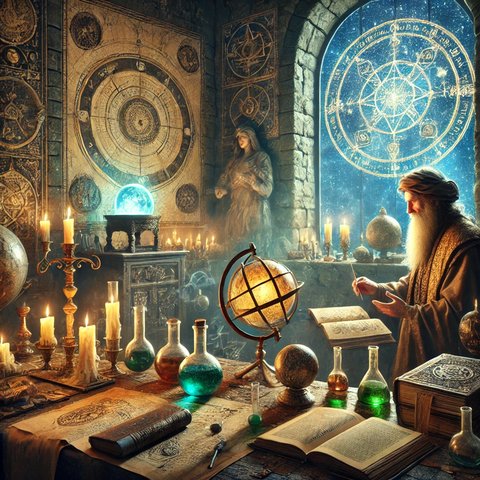 Mystics and alchemists of antiquity and the Middle Ages made a major contribution to the study of the soul and the human inner world. Their goal was often not so much to find a physical remedy as to transform consciousness and gain a deeper understanding of human nature and a person's place in the world. Unlike traditional physicians, mystics and alchemists saw the person as a microcosm reflecting the macrocosm and sought spiritual purification and inner transformation. Here are some of the most significant ideas and practices:
1. Hermeticism and the philosophy of transformation
Hermetic texts: The foundation of the mystical and alchemical worldview consisted of Hermetic treatises such as the "Emerald Tablet," attributed to Hermes Trismegistus, a mythical sage who supposedly knew the laws of the universe and the human soul. These texts presented the idea that "as above, so below," meaning a parallel between the inner and outer worlds. Alchemists interpreted this to mean that transforming the "inner metals" (shortcomings, fears) leads to spiritual gold, or perfection.
Psychological alchemy: Alchemy often used symbols such as "nigredo" (blackness), "albedo" (whiteness), and "rubedo" (redness), representing stages of inner transformation. These ideas inspired later psychologists such as Carl Jung, who saw alchemical processes as a metaphor for a person's deep inner work with the unconscious in the pursuit of self-knowledge and wholeness.
2. Sufi mystics
Struggle with the ego: Sufi mystics in Islam spoke of the need for "inner jihad" — a struggle with one's ego and negative personality traits. They believed that true knowledge of God and oneself could be achieved only through purification of the soul and overcoming one's passions. Many Sufi poets and teachers, such as Rumi and Hafez, described the path of spiritual transformation as a process of liberation from attachments and attainment of inner freedom, which resembles modern practices of working with personal attachments and freeing oneself from toxic emotions.
Meditative practices and dhikr: Sufis used meditative practices and dhikr — repetition of sacred words — to reach a special state of contemplation. This helped them focus on the inner world and distance themselves from distracting thoughts, which resembles modern mindfulness and meditation practices.
3. Christian mystics and alchemists
Inner alchemy and transformation of the soul: In medieval Europe, Christian mystics such as Meister Eckhart viewed spiritual life as a process of transforming the soul, through which a person could purify themselves of everything earthly and draw closer to God. Mystics regarded spiritual development as "inner alchemy," in which a person had to "refine" their passions in order to reach a state of purity and spiritual light.
The philosopher's stone as a symbol of enlightenment: Alchemists such as Nicolas Flamel and John Dee sought the philosopher's stone, a symbol of perfection that transforms base metals into gold. The philosopher's stone was also interpreted as the attainment of enlightenment and complete spiritual development. In alchemical symbolism, this stone represented a state of harmony and inner wholeness, which can be interpreted as a person's striving for psychological and spiritual health.
4. Johann Habsburg and Paracelsus
Paracelsus's medical alchemy: Paracelsus, an alchemist and physician, believed that spiritual and physical transformation were closely connected. He wrote about a person's "inner fire," which could be used to heal both body and soul. Paracelsus viewed alchemy as a way to understand not only the nature of substances but also the inner nature of the human being. His ideas about healing the soul through transformation of the inner state became a foundation for some directions in psychosomatic medicine.
Psychological methods of self-knowledge: Paracelsus also considered psychological causes of illness and insisted that for complete healing a patient must know themselves. He said that illnesses could arise from suppressed fears and hidden inner conflicts, which can be regarded as an early approach to the idea of working with subconscious fears and emotions.
5. Kabbalists and mystics in the Jewish tradition
The Tree of Life and levels of the soul: Kabbalah, a mystical school within Judaism, includes the concept of the Tree of Life, symbolizing stages of inner transformation. The Tree of Life served as a way of understanding the human soul and its connection with the Divine. Kabbalists believed that a person could rise through levels of knowledge, overcoming fears and weaknesses in order to reach a higher state of consciousness and gain spiritual clarity.
Methods of working with inner images: Kabbalists used meditations on images and spiritual symbols that helped a person recognize inner conflicts and purify the mind. These practices resemble visualization techniques used in modern psychotherapy to work with subconscious images.
6. Taoist alchemists in China
Inner alchemy and qigong: Chinese Taoism includes a tradition of "inner alchemy," in which transformation is viewed as work with the energy of "qi" within the body. Taoist alchemists believed that a person could attain immortality and harmony by managing their energy and developing breathing practices, meditation, and qigong. This practice is aimed at strengthening mental and physical health, which resembles modern meditation and breathing techniques for stress management.
Symbolism of alchemical transformations: Taoists regarded inner alchemy as a path of transforming negative emotions into positive ones and creating harmony between body and spirit. These practices aimed at achieving a state of "enlightened consciousness," which echoes modern methods of working with emotions and personal transformation.
7. Indian tantric and yogic teachings
Alchemy of kundalini: In tantric and yogic traditions, the process of transforming consciousness is symbolized by the "awakening of kundalini" — a special energy located at the base of the spine that rises through energy channels, opening inner centers (chakras). This process symbolized spiritual development and overcoming lower desires in favor of a higher state of awareness.
Yoga as a path to liberation: Indian yogis such as Patanjali described yoga as a path to freeing the soul from delusions, fears, and limitations. This included work on subduing the ego and overcoming inner conflicts through meditation, mindfulness, and self-exploration, which resembles modern methods of self-reflection and therapy aimed at studying and transforming the inner world.
Mystics and alchemists laid the foundations of symbolic and transformational approaches to the human inner world, which later influenced the emergence of depth and analytical psychology, especially through the work of Carl Jung, who used ideas from alchemy to explain processes of individuation and symbolic personality development. Practices such as meditation, work with archetypes and images, and personal transformation became part of the toolkit of modern psychology and psychotherapy.
Thus, mystics and alchemists viewed the human inner world as a field for spiritual work and transformation. Their methods of self-exploration and symbolic transformation influenced modern psychological self-work aimed at achieving inner balance and personal growth.
Shamans and Folk Healers
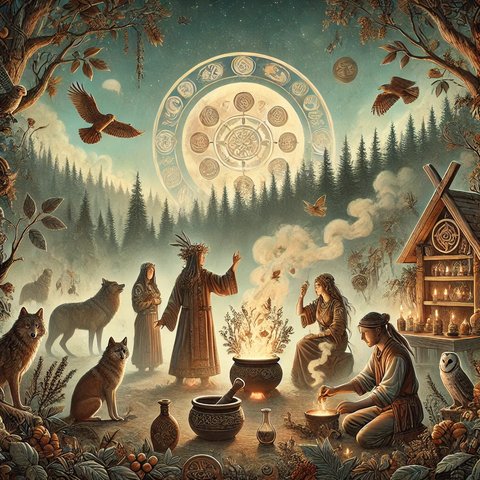 Shamans and folk healers of antiquity were important figures in the life of communities and cultures around the world, especially among indigenous peoples. Their approaches to healing were deeply spiritual and ritualistic. They saw the human being as part of a large interconnected system including people, spirits, animals, and nature. In shamanic practice, mental and physical health were understood through the lens of harmony with the surrounding world, and illness was often considered a consequence of disruption of this balance. Here are the main aspects of their practice and role:
1. Shamans as intermediaries between worlds
Role of mediators: Shamans were regarded as guides between the world of the living and the world of spirits. Their main task was to restore a lost connection between a person and nature or the "spiritual world." In shamanic culture, illnesses, including mental illnesses, were often considered the result of "soul loss" or intrusion by hostile spirits. Shamans undertook "spiritual journeys" or entered trances to recover the lost aspects of a patient's soul.
Trance techniques: To enter altered states of consciousness, shamans used various techniques such as dancing, drumming, singing, breathing practices, and sometimes psychotropic plants. In these states, they could "communicate" with spirits and seek ways to heal the patient. These methods resemble modern cathartic techniques, breathing practices, and holotropic breathwork used to work with trauma and suppressed emotions.
2. Cleansing and expulsion of evil spirits
Cleansing ceremonies: One common method in shamanic practice was purification through rituals. These could involve smoke from herbs (for example, sage or wormwood), water, fire, or sand to "cleanse" the patient's soul and body of negative energy or spirits. In shamanic cleansing rituals, the patient was invited symbolically to "let go" of fears and pain, which resembles cleansing methods in therapy in which emotional burdens are released through symbolic actions.
Exorcism and expulsion of spirits: In shamanic cultures, some mental illnesses were believed to be caused by "possession" by evil spirits. Shamans used exorcism rituals to drive these spirits out of the patient. Such rituals could include loud sounds, shouting, herbs, and amulets. These practices resemble some modern psychotherapeutic approaches in which subconscious images and "inner demons" are worked through, for example in symbolic therapy.
3. Working with nature and animals
Using the power of nature: Shamans and healers regarded nature as a source of strength and harmony. They often went with a patient into a forest or mountains to "recharge" them with the energy of nature and help restore balance. Modern ecotherapy methods are based on similar principles, regarding nature as an important source of healing that helps people cope with stress and anxiety.
Spirit animals and totems: In many indigenous cultures, there was a belief in "spirit animals" and totems that serve as protectors and guides for a person. Shamans helped people find or "meet" their spirit animal, which would guide and support them in difficult times. These images can help a person gain inner support and confidence. In modern psychotherapy, similar work is carried out through archetypal images and symbols that help patients find inner resources.
4. Symbolic work with trauma
Stories and myths: Shamans told myths and legends that presented symbolic models for overcoming fear, pain, and despair. Stories about heroes and gods helped patients see their problems in a new light and recognize possible ways of overcoming them. Modern psychotherapy uses narrative approaches and story-based therapy, in which a person's personal stories are rewritten or reinterpreted so that they can free themselves from negative beliefs and images.
Symbolic objects and amulets: Shamans created amulets and symbolic objects believed to provide protection or healing. These amulets could be made from herbs, bones, stones, fabrics, and other materials, with spiritual significance emphasized in their creation. Amulets were used as anchors, reminding a person of their strength and protection. In modern practice, for example in art therapy, symbolic objects are also used to express inner states and create an "external symbol" of personal experience.
5. Music, singing, and rhythms as part of healing
Drums and rhythmic sounds: Drums, flutes, and other instruments created a rhythm that helped shamans enter trance and focus on healing. Drumming could symbolize the heartbeat of the earth and resonate with a person, evoking a sense of unity with nature and the universe. Modern music therapy and sound therapy also use rhythmic music to harmonize emotional states and reduce stress.
Singing and healing chants: Shamans used particular songs, called "icaros" in South America, or mantras in other cultures, which were considered healing. According to shamanic beliefs, these sound vibrations created a special energy field that restored harmony in the patient's body. Modern sound therapy uses mantras and sound for relaxation and improvement of mental well-being.
6. Plants and naturopathy
Healing herbs and mushrooms: Shamans knew the healing properties of plants, mushrooms, and roots. Plants such as ayahuasca, peyote, and psilocybin mushrooms were used to achieve altered states of consciousness, helping patients see their problems and fears from a new perspective. This created a "spiritual journey" in which a person could free themselves from trauma and inner blocks. Today such substances are studied in the field of psychedelic psychotherapy, where psychotropic plants are used under professional supervision to treat post-traumatic stress and depression.
Naturopathy and the use of plant essences: Folk healers used herbs and natural essences for calming and healing. Chamomile, valerian, and St. John's wort were known as herbs that reduce anxiety and improve sleep. In modern herbal medicine, these plants are used in the treatment of anxiety and depressive conditions.
7. Initiations and rites of passage
Initiation as a process of growing up: Many shamanic cultures practiced rites of passage for adolescents and young adults, helping them enter a new stage of life and cope with changes associated with growing up. Initiation served as a way to strengthen inner resilience, accept responsibility, and understand one's role in society. These rituals symbolized the beginning of a new stage, resembling modern practices aimed at providing support during life crises and transitions.
Healing and rebirth rituals: Shamans often conducted rituals in which a person symbolically died and was reborn, letting go of old painful experiences and acquiring a new sense of self. These rites helped people cope with trauma, severe loss, and significant life events. Similar processes are used today in ritual psychotherapy and process-oriented therapy, where symbolic rebirth helps a person integrate past experience and open new possibilities for personal development.
Shamans and folk healers anticipated many practices that are now used in psychotherapy and psychology: from cleansing rituals and work with inner symbols to the use of nature and plant-based preparations for healing. Modern methods such as ecotherapy, sound therapy, psychedelic therapy, elements of ritual therapy, art therapy, and work with archetypes reflect the shamanic approach, which was aimed at restoring harmony between the person, their inner world, and the surrounding nature, as well as reconnecting with the spiritual dimension.